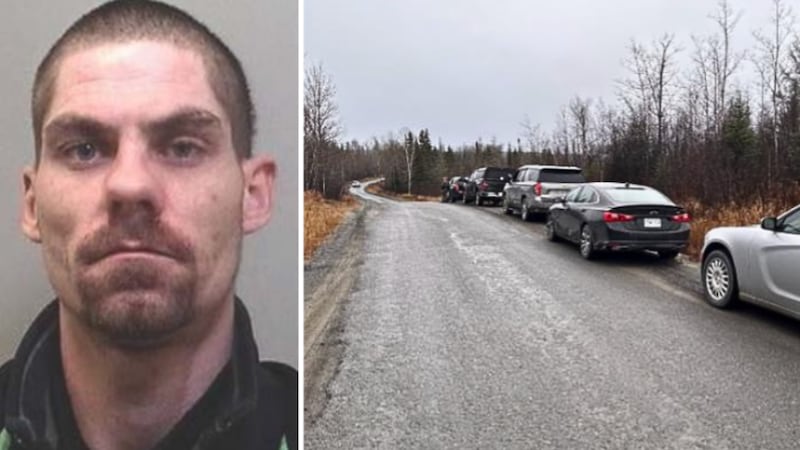
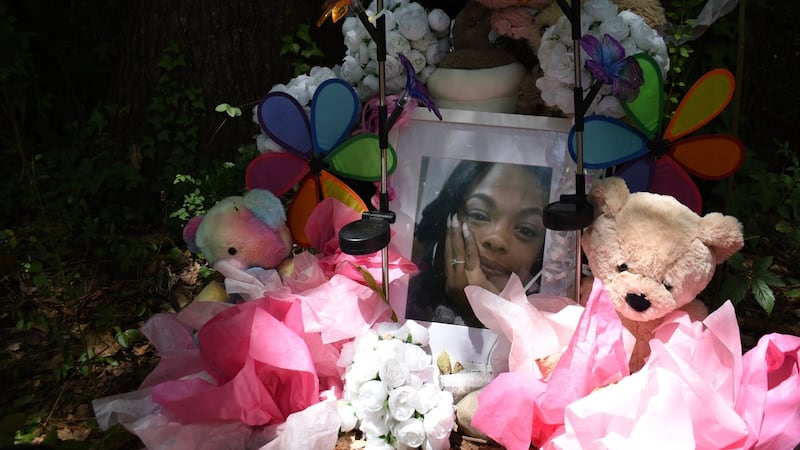
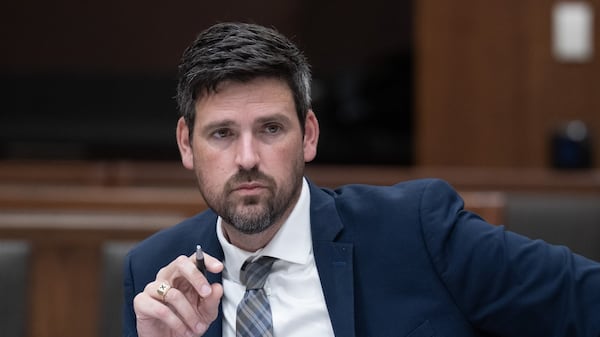
A massive Montreal police (SPVM) operation targeting youths, some as young as 12 years old, allegedly recording themselves taking part in criminal activity for money has resulted in dozens of arrests. The SPVM says that after a video surfaced showing Justin Fortier-Trahan, 21, and Juventino Hernandez Pelaez, 20, starting a fire in Old Montreal that killed Léonor Geraudie, 43, and her seven-year-old daughter, Vérane Reynaud-Geraudie, on Oct. 5, 2024, investigators began looking into why people would film themselves committing crimes. The revelation launched Project Aurora. “We, unfortunately, discovered that social media is a breeding ground for this,” Francis Renaud, the head of the SPVM’s organized crime unit, told Noovo Info. “What we’re seeing is that there are ‘contracts,’ people who go on social media and offer contracts to commit criminal offences. So, there are ‘perpetrators’ — I call them that just to make it easier to understand — who take on these contracts, go out onto the streets and then set fires, steal cars, commit jewelry store robberies. They’re strictly following these people’s orders.” By doing this, the perpetrators are making themselves accomplices to crimes, Renaud said. 75 arrests and counting Since Feb. 1, the SPVM says it has made 75 arrests in the operation, a combination of contractors, subcontractors and those who committed the crimes. Those arrested are between 12 and 24 years old. The SPVM notes it has around 180 ongoing cases in Montreal and across Quebec. “I’d say a good portion of them are the ones carrying out the crimes, so we uncover the crime before it’s committed,” said Renaud. Who’s ordering the contract? Determining who is behind the contracts has been quite difficult, police lament. “Yes, there are people from organized crime who, incidentally, aren’t very savvy on social media, but there are also young people who can take on contracts through intermediaries and post them on social media,” said Renaud. The fact that the contracts are shared with a wide audience also complicates matters for the police. “Those offering the contracts will let the information circulate on social media, and then there are plenty of people who see it. It’s not uncommon for us to intervene at a specific location and make multiple arrests,” said Renaud. The usual apps Renaud said that Telegram, Snapchat and Instagram are all popular ways for contractors to contact would-be criminals, but that young people are very comfortable switching from one app to another. On these platforms, they allegedly also chat with one another, often anonymously, to accept jobs for pay and return with a virtual identity to boast about committing crimes. While the lure of money is always there, Renaud said it’s wrong to believe that the perpetrators actually receive any rewards. “They’re promised great things — money or goods — but in the end, they’re never paid. That’s a misconception.” Renaud gave the example of a contractor who offered $80,000 on social media to carry out a crime, but the 16-year-old who was arrested was “living in his parents’ basement with no money.” Renaud added that the Aurora project shows that some young people believe they can boost their self-esteem by participating in criminal acts. “Young people create a completely virtual identity for themselves,” he said. “A young person might boost their self-esteem by participating in crimes and then returning to chat rooms to claim they were the ones who committed them. He may receive praise, but it’s very fleeting and virtual.” The ‘virtual park’ Renaud explained that before social media, a person trying to recruit young people to perform a crime might go to a park or mall. Now, those spaces are online. “We open our phone or our computer, and we have access to millions of ‘parks’ and therefore millions of people,” he said. “We chat with these people; we don’t know who they are, and we get offered all kinds of things.” Alongside the criminals, police say they are also working undercover on social media. “The police are now present in this vast landscape that is social media. There’s nowhere to hide,” said Renaud. The SPVM says it would like to see more presentations in schools about what the police are seeing on social media. “There’s no problem with saying it. I think our society has a duty to educate our youth on this issue. We have young people who willingly commit offences, but there are others who are lured into it,” said Renaud. “It’s important that we address this issue as we head into 2027 because crime on social media is now an integral part of Montreal’s criminal landscape.” With reporting by Lili Mercure and Marie-Claude Paradis-Desfossés, Noovo Info.